Published
What is a locum doctor?

A locum doctor is a doctor who covers clinical sessions temporarily instead of holding a permanent post. The word comes from the Latin locum tenens, meaning “holding the place”, and that is precisely the job: standing in for a doctor who is away, or working a session a clinic cannot otherwise staff.
In Singapore, locum work is overwhelmingly general practice. A registered doctor takes individual shifts at private GP clinics, is paid an hourly rate for the hours worked, and moves between clinics rather than being employed by any one of them.
What locum doctors do in Singapore
The bulk of locum shifts advertised in Singapore are ordinary general practice sessions at private clinics. A clinic typically looks for a locum when it needs to:
- cover a permanent doctor’s annual, medical, or maternity leave;
- fill sessions at a clinic whose regular doctor works part time;
- add capacity during a seasonal surge or an unusually busy stretch; or
- staff a newly opened branch before a permanent doctor is recruited.
The clinical work is what a GP does on any other day: consultations for acute illness, chronic disease reviews, minor procedures, medical certificates and memos, referrals, and dispensing where the clinic runs its own pharmacy. You work in the clinic’s premises, with its staff, its systems, and its patients.
Outside general practice, locum sessions also appear at aesthetic clinics, health screening centres, occupational and corporate health providers, and short-term vaccination or screening exercises. These usually ask for specific prior experience, and there are far fewer of them than GP sessions.
How locum work is structured
Locum doctors are almost always paid by the hour, at a rate agreed before the shift starts. A smaller number of sessions are quoted as a flat fee for the whole session. Either way the arrangement is per shift: there is no continuing employment contract, no notice period, and no obligation on either side once the session ends.
Doctors are engaged directly by the clinic or by the group that operates it, which means you negotiate the rate and the terms with the clinic itself. You remain responsible for your own registration, practising certificate, professional indemnity insurance, continuing medical education, and taxes.
Shift length varies. Some clinics advertise a single three or four hour session; others want a full day of eight to twelve hours, or a run of consecutive days to cover a longer absence. Demand is heaviest where permanent doctors are least available: weekday evenings, weekends, and public holidays.
Sessions are usually arranged in advance rather than on the day. A clinic advertises the dates and hours it needs covered, doctors get in touch, and the clinic confirms one. How far ahead this happens ranges from a fortnight or more for planned leave down to the same week when a doctor calls in sick.
Locum vs permanent practice
The two models trade security for control:
| Aspect | Locum | Permanent |
|---|---|---|
| Schedule | You pick the sessions you take and can pause without asking anyone | Fixed roster set by the clinic or institution |
| Income | Hourly, and it stops when you stop working | Salaried and predictable regardless of session volume |
| Leave and benefits | Time off is unpaid; no employer CPF and no training budget | Paid annual and sick leave, employer CPF, training support |
| Patients | A different clinic and patient mix each shift, little follow-up | Continuity with your own panel over time |
| Development | Broad exposure to how different clinics run | Structured mentorship, appraisal, and progression |
| Admin | Invoicing, indemnity, and tax are yours to handle | Mostly handled by the employer |
Many doctors do not treat this as a binary choice. It is common to hold a permanent or part-time position and take locum sessions around it, or to locum for a period while deciding on a longer-term role. Regular locum work at one clinic also has a way of turning into a standing arrangement, and sometimes into a permanent offer, because both sides already know how the other works.
How much locum doctors earn
Advertised hourly rates for GP locum shifts in Singapore typically run between $110 and $140 per hour, with a median of roughly $120 per hour. Rates tend to sit higher for weekend sessions, public holidays, and late evening cover, and lower for quieter weekday daytime sessions.
Because a locum is paid only for hours worked, comparing an hourly rate with a permanent salary means accounting for unpaid leave, gaps between sessions, and the benefits a permanent post carries. For current figures broken down by region, day of week, and time of day, see locum GP rates in Singapore.
Who can work as a locum
Working an unsupervised locum session means practising independently, so you need registration with the Singapore Medical Council that allows you to do so, together with a valid practising certificate and your own professional indemnity cover. Doctors on conditional registration work under supervision arrangements that ordinarily rule out independent locum sessions.
For the practical steps (registration, indemnity, what clinics ask for, and how to approach your first shift), see how to start locum work in Singapore.
Seeing what is actually available
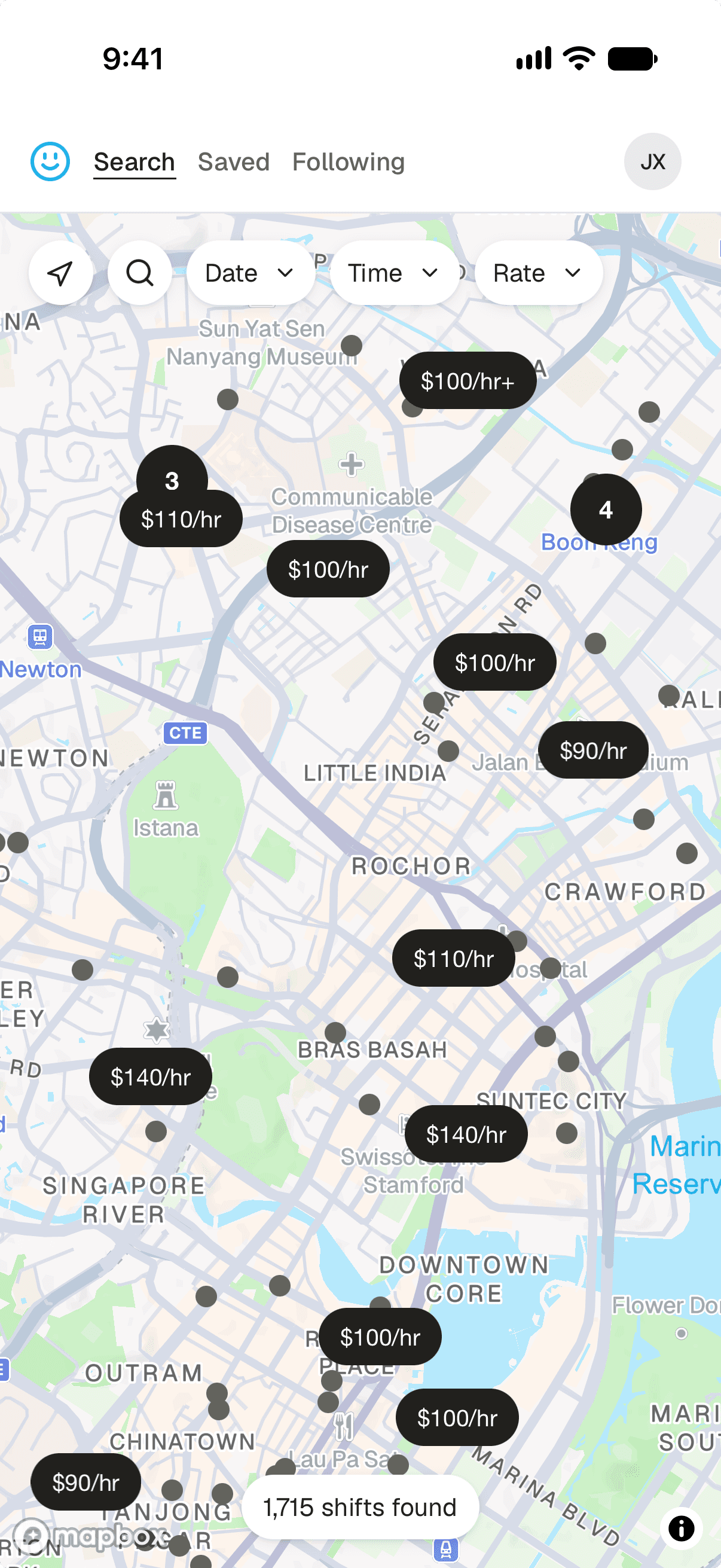
The clearest way to understand locum work is to look at what clinics are asking for right now: which dates, which hours, which parts of the island, and at what rate.
Ready to see what is available?
Browse current locum doctor jobs across Singapore, filtered by date, rate, and location.